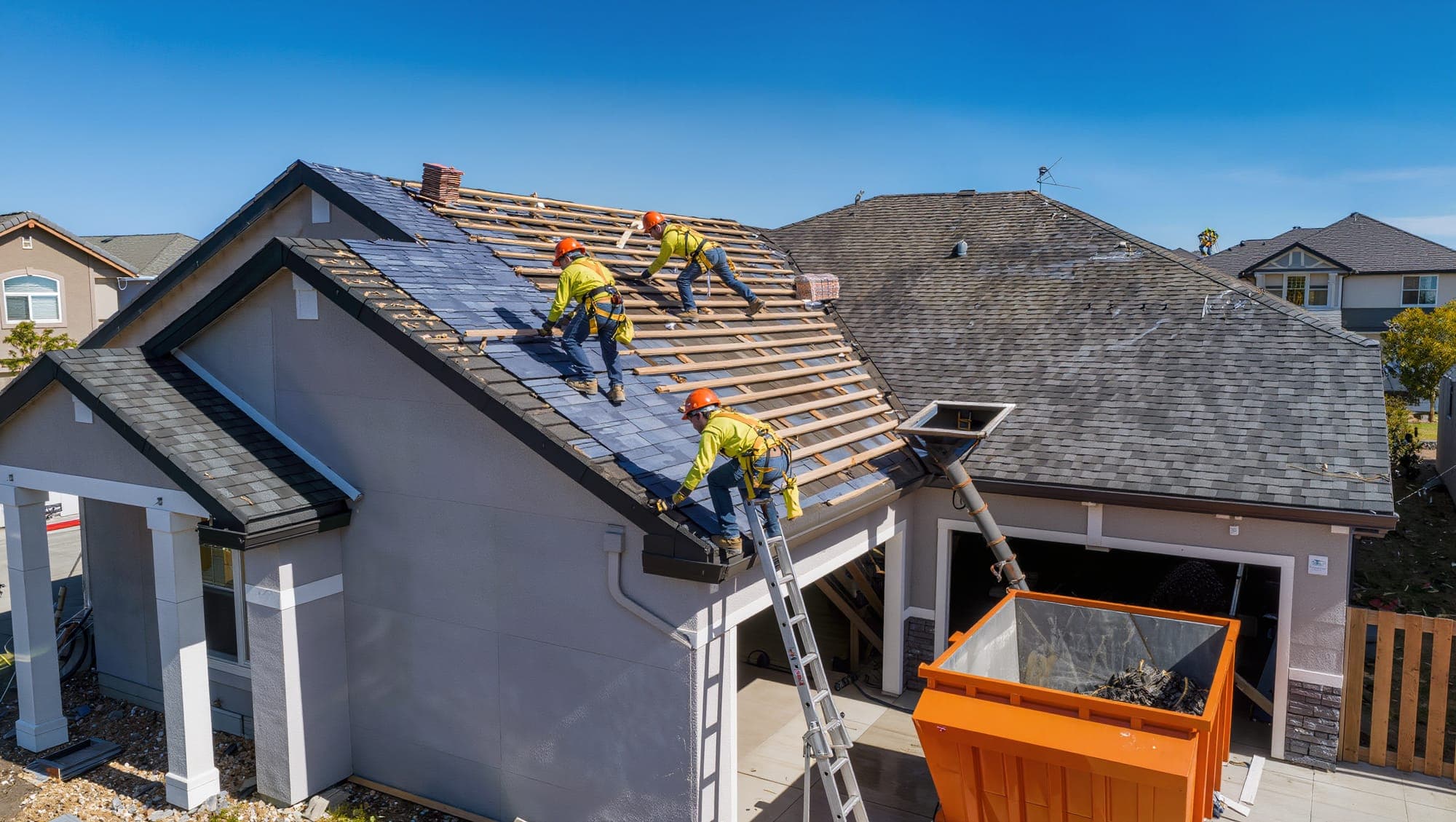
California Wildland-Urban Interface home — CRC §R337 / CWUIC compliant tile roof + ember-resistant vents

FIRE GUIDE · 10 MIN READ

CalFire WUI roofing requirements — CRC §R337 / 2025 CWUIC explained.

California's WUI roofing rules live in California Residential Code §R337 (single-family) and California Building Code §705A (commercial), and as of January 1, 2026 these provisions are being consolidated under the new 2025 California Wildland-Urban Interface Code (CWUIC, Title 24 Part 7). The rules apply on new construction and on any re-roof in a CalFire-designated Fire Hazard Severity Zone. Most homeowners don't know they're inside a designated zone until their roofer pulls the permit and the building department flags it. Here's what the WUI code actually requires — and how Cali #1 Roofing handles compliance on every wildfire-zone project.

Severity zone tiers — moderate, high, very high

Quick answer

CalFire designates Fire Hazard Severity Zones (FHSZ) in three tiers: moderate, high, very high. The State Responsibility Area (SRA) FHSZ map was last adopted by the Office of the State Fire Marshal effective April 1, 2024; Local Responsibility Area (LRA) maps were released in phases through early 2025. CRC §R337 / CWUIC applies to all three tiers, with stricter requirements in the higher tiers. Check your address at osfm.fire.ca.gov.

The three-tier system reflects fire-behavior modeling: how fast wildfires spread, ember-cast distance, ignition probability. The State Responsibility Area (SRA — land where CalFire has direct fire-protection responsibility) and Local Responsibility Area (LRA — incorporated cities and local government areas) both designate severity zones, with LRA designations typically tracking SRA but local jurisdictions can be stricter. Large California cities and counties often add their own overlay requirements.

What the WUI roofing code actually requires

California Residential Code §R337.5 covers roof covering and §R337.6 covers vents (CBC §705A is the equivalent commercial section). As of January 1, 2026 these are being consolidated under the 2025 California Wildland-Urban Interface Code (CWUIC, Title 24 Part 7). Required specs on a re-roof in any designated FHSZ: (1) Class A roof assembly tested per ASTM E108 or UL 790; (2) attic vents covered with corrosion-resistant noncombustible wire mesh between 1/16" minimum and 1/8" maximum opening (per §R337.6); (3) roof-wall transitions sealed against ember intrusion; (4) gutters either noncombustible (metal) or fitted with noncombustible gutter guards; (5) eaves enclosed or noncombustible soffit material; (6) skylights either Class A-rated or replaced with noncombustible alternatives. Confirm the specific spec list with your local building department, since interpretations and local amendments vary.

How the permit process changes in a WUI zone

Quick answer

When a Cali #1 roofer pulls a re-roof permit and the address is inside a designated FHSZ, the building department adds WUI-code compliance as a required inspection item. The inspector checks the underlayment, the vents, the flashings, and the roof-wall transitions before final sign-off — all of which we document in the homeowner's compliance packet for insurance.

Re-roof permit fees vary by California jurisdiction. In a WUI zone, the same permit adds a CRC §R337 / CWUIC compliance review, and the inspection is more thorough — the inspector confirms each WUI spec item is in place before signing off. Cali #1 Roofing builds to spec, documents each item with photos during install, and walks the inspector through the assembly.

Common WUI-code violations to watch for

We see recurring failure modes when homeowners attempt re-roofs without an experienced wildfire-zone contractor: (1) using a 'Class A shingle' over non-Class-A underlayment — the assembly doesn't qualify; (2) leaving mesh coarser than 1/8" on ridge vents — CRC §R337.6 requires 1/16"-1/8" noncombustible mesh; (3) skipping the sealed roof-wall transition — a common failure point in inspection; (4) installing wood gutter boards or fascia covers without noncombustible cladding; (5) using wood roof decking that doesn't meet WUI noncombustible / fire-rated requirements in higher severity zones. Each of these can fail final inspection and require remediation before the permit is signed off.

Where the WUI code interacts with local jurisdiction overlays

Some California cities and counties add stricter requirements on top of the state WUI code. For example, the City of Malibu's published Residential Re-Roof Policy requires all roofing material to be rated Class A on every re-roof and prohibits wood shake / shingle installations. Many other California jurisdictions add their own overlay requirements — confirm specific local rules with your building department, or have Cali #1 Roofing run the lookup as part of your estimate. The compliance packet documents whichever standard is stricter (state or local).

QUESTIONS WE GET

About calfire wui roofing requirements (crc §r337 / cwuic).

Is my address in a WUI Fire Hazard Severity Zone?
Check the CalFire Fire Hazard Severity Zone (FHSZ) map at osfm.fire.ca.gov, or ask your local building department. If your home is in any tier (moderate, high, very high), CRC §R337 (consolidated under the 2025 CWUIC effective January 1, 2026) applies on any re-roof. Cali #1 Roofing runs this lookup as part of every estimate for California homes.
Does the WUI code apply if I'm only replacing part of the roof?
Generally yes for any major re-roof, but the exact trigger threshold is set by your local jurisdiction. Spot repairs and minor patches typically don't trigger full WUI compliance, but if an inspector flags any new component as major work it must meet code. Cali #1 Roofing builds every wildfire-zone repair to spec to keep your options open.
How long does the WUI-code inspection add to the project timeline?
Usually no additional days — the WUI items are checked at the same final inspection as the standard re-roof permit. The inspector spends additional time checking the WUI spec items. If the assembly was built to spec, sign-off is same-day. Failed inspections add days for remediation.
What happens if I do a re-roof without WUI-code compliance in a designated zone?
Three downstream problems: (1) the building department won't sign off on the permit, leaving an open permit on your property record; (2) your home insurance carrier may non-renew or refuse to write coverage; (3) re-sale appraisals can flag the non-compliant roof as a material defect requiring remediation before close. All three are expensive to unwind retroactively. Build it right the first time.
Can I do my own WUI-code compliance work?
Legally yes (California allows owner-builder permits for some single-family work) but practically difficult — WUI compliance requires manufacturer-certified materials installed per their published spec, plus inspection sign-off by the local building department. Cali #1 Roofing offers a site visit for owner-builders to scope what's needed before construction starts.

READY TO START

See your roof's cost in 90 seconds.

Satellite-measured estimate, transparent pricing, no salesperson at your door. CSLB #1130729.

CSLB #1130729 · 10-year workmanship warranty · BBB A Accredited 2025 · Insurance-direct billing

Call (866) 927-3792Instant estimate